
The Double Standard of Accountability


Lawmakers vs Law Enforcement Officers
We expect law enforcement officers to uphold the highest standards of conduct. When an officer breaks the public’s trust, the community demands swift accountability. These officers risk their lives daily to enforce laws and protect citizens. Yet, the lawmakers who create these laws often escape similar scrutiny when they fail to honor their responsibilities. This imbalance reveals a troubling disconnect in how accountability is applied between those who make the laws and those who enforce them.
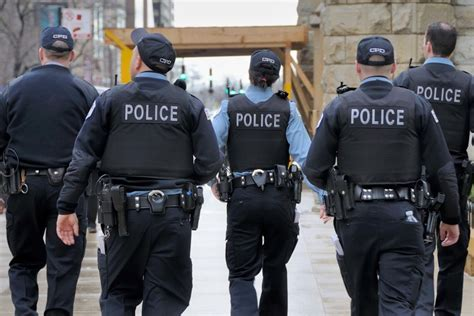
Law enforcement officers operate under intense public scrutiny. Their actions are constantly monitored by citizens, media, and oversight bodies. When officers violate laws or ethical codes, consequences can include suspension, dismissal, or criminal charges. This strict accountability reflects the critical role officers play in maintaining public safety and trust.
For example, police departments across the country have implemented body cameras and civilian review boards to increase transparency. These tools help ensure officers are held responsible for misconduct. The public expects officers to act with integrity because their decisions can have immediate, life-altering consequences.
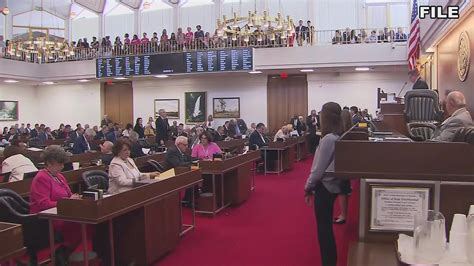
In contrast, elected officials who draft and pass laws rarely face comparable consequences when they fail to fulfill their duties. Lawmakers swear an oath to uphold the Constitution and serve the public interest. Yet, many evade accountability for actions such as ignoring constitutional limits, neglecting their duties, or engaging in unethical behavior.
Unlike law enforcement officers, lawmakers do not risk their lives in the same way. Their failures often result in political fallout rather than legal consequences. Voters may express dissatisfaction at the polls, but this form of accountability is slow and indirect. There are few mechanisms to hold lawmakers immediately responsible for breaking public trust or violating their oaths.

Lawmakers create the legal framework that officers enforce. If those who write the laws are not held accountable, it undermines the entire justice system. Citizens expect lawmakers to act with greater integrity because their decisions shape society’s rules and values.
Holding lawmakers to a higher standard would:
Reinforce public trust in government institutions
Ensure laws reflect constitutional principles and fairness
Prevent abuses of power and corruption
Support law enforcement by providing clear, just laws to enforce
When lawmakers pass laws that infringe on civil rights or ignore constitutional protections, they create conflicts for officers who must enforce those laws. This can lead to public unrest and damage the legitimacy of law enforcement.

Consider cases where police officers face criminal charges for misconduct, while lawmakers involved in scandals or ethical breaches often face little more than political criticism. For example:
Officers convicted of excessive use of force may serve jail time.
Lawmakers involved in corruption scandals might resign or lose re-election, but rarely face criminal prosecution.
This disparity sends the message that lawmakers are above the law, eroding public confidence in democracy.

Addressing this double standard requires systemic changes:
Establish independent ethics commissions with real enforcement power over elected officials.
Increase transparency in legislative processes and decision-making.
Implement clearer consequences for lawmakers who violate oaths or constitutional duties.
Encourage civic engagement so voters hold representatives accountable beyond election cycles.
These measures would create a culture in which lawmakers understand that their responsibilities carry serious consequences, just as they expect law enforcement to uphold.

Trust is the foundation of both law enforcement and legislative authority. When citizens lose faith in either group, social cohesion suffers. Lawmakers must lead by example, demonstrating commitment to the laws they create and the people they serve.
The public demands integrity from officers who risk their lives daily. It is only fair that those who write the rules face equal or greater scrutiny. Closing this accountability gap strengthens democracy and supports a just society.
==================================================================================


==================================================================================
"The Informed Citizen" is a Judeo-Christian conservative blog and website with a mission to provide information on the governance of our municipalities, counties, states, and country, enabling you, the voter, to make informed decisions at the ballot box.
To this end, "The Informed Citizen" publishes daily information that mainstream media either fails to provide or does so in a manner that aligns with the ideological narrative of the Socialist-Democrat Party.
If we are to retain our Constitutional Republic as envisioned by our Founding Fathers, we need the involvement and engagement of everyone. So, please consider joining this mission.
If you are interested in participating in informational conversations via "The Informed Citizen" Blog and Website, please visit americaninsanity.org to learn about "The Informed Citizen" and gain valuable insights into our communities' issues, and to subscribe to “The Informed Citizen.”
Together, our voices as Judeo-Christian conservatives will resonate more powerfully than ever.
Please share this post with your contacts. Everyone needs to be an informed citizen, knowledgeable about political activities that directly affect them and their families, so that they too can make informed decisions at the ballot box.

Comments