
UNDERSTANDING THE EMOTIONAL STRUGGLES OF VIETNAM WAR VETERANS


The Vietnam War remains one of the most controversial conflicts in American history, profoundly affecting the lives of those who served. America’s Vietnam War veterans returned home to not only the physical aftermath of combat but also a psychological battle that often felt even more daunting.
Vietnam veterans returned to a nation that seemed indifferent to their sacrifices. They faced a world where resentment and apathy greeted them, rather than gratitude. The emotional struggles of Vietnam War veterans do not just linger in their past; they shape their present and future in profound ways.
The Harsh Reality of Return

Transitioning from the battlefield to civilian life proved extremely difficult for Vietnam War veterans. After witnessing intense violence and loss, Vietnam War veterans often felt shame and isolation upon their return. Many had hoped for at least a warm welcome, but instead faced protests and widespread anti-war sentiment.

This hostile reception left them feeling like warriors, fighting for their honor back home after having fought for their country overseas. As a result, Vietnam War veterans faced complicated emotions, including anger, anxiety, and bitterness, feelings that many continue to grapple with today.
Emotional Scars and Survivor's Guilt

The burden of returning home from horrendous and prolonged combat experiences included both visible and invisible wounds. Many Vietnam War veterans carried with them the heavy weight of survivor’s guilt. Often questioned why they returned home while their friends did not, perpetuating a cycle of guilt that lingered long after their return.
While they may have physically returned to their families and friends, their minds remained tethered to their traumatic experiences. This disconnect often resulted in mental health conditions like PTSD, depression, and anxiety, bearing witness to the emotional scars that remain to this day.
The Cycle of Guilt and Isolation

The indifference that Vietnam War veterans faced further intensified their feelings of shame. A National Vietnam Veterans Readjustment Study revealed that Vietnam War veterans felt alienated after returning home. Many believed they were unworthy of happiness, which led them to withdraw from their family and friends.
Reconnecting with loved ones became a daunting task. Vietnam War Veterans found themselves in a reality where no one within their circle of trust seemed to care enough to ask them about what they had experienced. This left Vietnam War Veterans desperately longing to find someone, anyone, willing to talk and listen so that they could share their experiences.

Vietnam War veterans felt misunderstood by civilians, and rightly so, compounding their emotional distress. Eventually, this led to their coming to believe and fear that others could never grasp the magnitude of their trauma. This struggle led to strained relationships and profound loneliness.
The Quest for Acceptance
Seeking help remained a significant challenge for many Vietnam War veterans. This was driven by a belief that they were expected to leave their traumatic experiences in the past and move on, leading them to believe they did not deserve help or happiness.
For those who sought help, they were met by health providers who had no idea of what they were dealing with, so they attributed the Vietnam War Veterans' problems to childhood family issues, resulting in their inability to provide the desperately needed health support Vietnam War veterans needed. This mindset and lack of experienced mental health providers perpetuated a cycle of negative emotions, trapping the Vietnam War Veteran in a state of darkness. To compound this state of mind, the stigma surrounding mental health during that period further isolated Vietnam War veterans from obtaining the support they needed.
Long-Term Effects on Mental Health
The mental health struggles experienced by Vietnam War veterans can last a lifetime. Even as they age, many Vietnam War veterans deal with the repercussions of their service. Some have found support through veteran organizations, therapy, and community programs, but the path is often complicated and elusive.
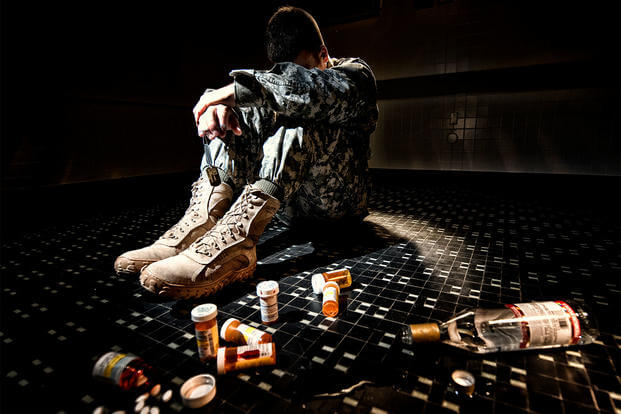
Substance abuse became one means of coping for many Vietnam War veterans. Vietnam War veterans struggled with alcohol abuse, seeking to dull their emotional pain and drive out the memories. Unfortunately, this only exacerbated their challenges, creating additional obstacles in their mental and emotional journey home.
The Path Forward
The emotional aftermath of the Vietnam War remains deeply ingrained in the lives of Vietnam War veterans. The emotional struggles of Vietnam War veterans are complex. Many of their feelings of shame, guilt, and isolation stem from the tumultuous experience of returning to a divided nation.

As a society, fostering awareness around the challenges these brave individuals face is essential. Standing with Vietnam War veterans who fought for our freedom and recognizing their silent decades-long battles can lead to their ability to find peace with that experience, finally.
Through understanding and awareness, those who have never experienced the trauma of combat can help those who have navigate through their emotional struggles, allowing them to find peace of mind and reclaim a fulfilling life.


Comments