
HOW THE SYSTEM BETRAYED J6 VETERAN DEFENDANTS
- LeRoy Cossette

- Jun 28, 2025
- 4 min read


The fallout from the events of January 6th has not ended and should continue to stir public concern. Approximately 72% of those charged were military veterans or first responders, which raises critical concerns about the fairness they received from our legal system. These brave individuals willingly put themselves on the line to safeguard our freedoms and safety, yet they were let down by the very institutions they served to protect.
The Irony of Service and Sentencing

The cases against January 6th defendants highlight a troubling trend regarding how radical left liberal Democrat judges and prosecutors treated those who served. Typically, courts view military or first responder status as a factor that can lessen sentences. Instead, because political agendas drove these radical judges and prosecutors, this status was used to against them to impose stricter penalties. Many January 6th veteran protesters, who were coerced into pleading guilty to non-violent offenses to avoid more serious trumped-up charges, received prison terms more severe than many offenders who committed violent crimes.
This situation forces us to ask: Did our justice system truly honor those who have risked their lives for our country? The implications of this treatment are alarming, revealing a potential disregard for the sacrifices made by those charged with protecting our citizens and nation based solely on their political ideology.
The Impact of Pardons

President Trump has issued pardons for nearly all defendants involved in the January 6th incident. While this gesture offers a glimmer of hope, it doesn’t erase the stigma associated with their convictions. The reality is that many of these individuals continue to face substantial barriers in their lives as a result of these unjust convictions.
Despite the pardons, social stigma persists. A survey found that nearly 60% of Americans still view January 6 defendants unfavorably, impacting their ability to reintegrate successfully into society. This demonstrates that the consequences of their legal troubles extend far beyond the formal punishments imposed upon them by agenda-driven, radical left elected and appointed judges.
The Struggles Beyond Incarceration

For those pardoned, the path to reintegration is fraught with significant obstacles. They frequently encounter:
Job Search Challenges: Approximately 70% of employers are reluctant to hire individuals connected to the January 6 protests, affecting these veterans’ ability to earn a living.
Loss of Rights: Even after receiving a pardon, some veterans face restrictions on their voting rights or the right to possess firearms, which can be profoundly impactful.
Social Harassment: Many have experienced hostility on social media, facing relentless scrutiny and personal attacks that make daily life difficult.
Family Strain: Their prolonged absence led to fractured family relationships, with many veterans reporting challenges in rebuilding trust and intimacy with loved ones.

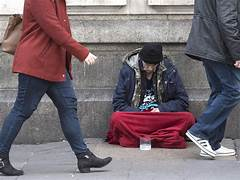
Risk of Homelessness: A survey showed that 15% of January 6 defendants reported housing instability post-incarceration, a stark reminder of their precarious situations.
This treatment raises profound questions about the values and principles of justice that Democrats claim to uphold.
The Role of Stand in the Gap

However, organizations like "Stand in the Gap" are stepping up to address these injustices. They focus on providing vital support to January 6 defendants and their families, addressing a range of needs, including physical, mental, emotional, and spiritual. With a commitment to offering second chances, "Stand in the Gap" works to create pathways to recovery for those who have been impacted.
Their efforts directly support the nearly 1,600 January 6 defendants, many of whom are veterans and first responders. They are not mere statistics; they are individuals with stories deserving of compassion and understanding.
A Call to Action

The challenges faced by January 6 defendants cannot be ignored. As a community, we have the power and obligation to stand by those who have fought for our freedoms.
Here are some ways to help:
Advocate for Justice Reform: Push for policy changes that ensure fair treatment for all veterans and first responders within our legal system.
Support Organizations: Consider donating to or volunteering with groups like "Stand in the Gap" that provide direct assistance to affected individuals.
Raise Awareness: Help share these stories to amplify their voices. Awareness can drive significant change within our society.
Engage Locally: Participate in community conversations about justice, working to foster a more equitable environment for everyone.
The Path Forward

In a nation founded on principles of justice and freedom, it is unacceptable that those who have served honorably face such hurdles. The repercussions of January 6th are not confined to a single day; they resonate through the lives of countless veterans and first responders who sought to be heard.
We must act collectively to ensure our justice system mirrors the values we profess. Every American—especially those who have sacrificed for our safety—deserves fair treatment, understanding, and support. Let’s commit to honoring these patriots by ensuring their service is celebrated and their sacrifices acknowledged.
As we demand accountability from our institutions, let us advocate for a justice system that is truly just. Justice denied is justice derailed, and it’s time to set this train back on track.

Visit americaninsanity.org for more information regarding "The Concerned Citizen."


Comments