
Uniting to Take Back Control of Our Governance
- LeRoy Cossette

- Jun 27, 2025
- 4 min read

In our fast-paced world, decisions that significantly impact our lives often feel disconnected from our daily realities. This situation raises an essential question: Who should decide what is best for you and your family? This question transcends politics; it reaches the heart of our collective right to govern ourselves.
The answer seems clear: the voice of the people should prevail. However, the current reality suggests otherwise.
The Disconnect Between Politics and the People

Take, for instance, the ongoing discussions surrounding President Trump's "One Big Beautiful Bill," the 2025 Reconciliation Bill. It's discouraging to hear how political promises made during elections seem to fade away. For example, during his campaign, President Trump vowed to prioritize job growth and tax relief, rallying voters who helped secure his victory with a significant margin—over 70 million votes. Yet, many of those promises now appear to be at risk as the bill is negotiated.
This growing gap between the leaders and the led is alarming. With only 29% of Americans feeling they have a genuine say in their government, as reported in recent surveys, it’s clear that many of our concerns are getting overlooked. We see how issues pertinent to “We the People,” like healthcare and job security, remain unaddressed, adding to the frustration of constituents.
The Role of the Parliamentarian

At the heart of this issue is the Parliamentarian, an unelected official with considerable influence over the content of the Reconciliation Bill. It raises a pressing question: Why should someone who is not accountable to voters decide what legislation affects our lives?
It often feels like our elected representatives are shouting, “We hear you,” yet letting bureaucratic rules drown out our voices. This is not what democracy should look like. For example, while voters overwhelmingly support many of the provisions that were included in the Reconciliation Bill, the Parliamentarian's influence can curtail such proposals if she alone deems them non-compliant with budgetary rules, thereby sidelining the wishes of millions.
Are We Powerless?
Are we unable to voice our desires to our representatives to challenge this unelected authority? Sadly, the situation feels grim.

Many Senators appear to have compromised their relevance by supporting rules that let one person override majority opinions. This phenomenon echoes previous instances where lawmakers surrendered their responsibilities to an unchecked bureaucracy, impacting countless families.
Each time we reach out via email or phone, it often feels like a slight wave in an ocean of political indifference. While communication is vital, it is just one piece of the puzzle needed to effect genuine change.
The Silence of the Majority
As we look around, many voices remain suppressed amid the clamor of political conflict. The erosion of the people's power is not just disappointing; it is a dire warning for democracy.
Citizens must band together against this growing divide. We should demand that our representatives prioritize the needs and desires of their constituents over the established bureaucratic processes that stifle our voices. For example, recent polling shows that 78% of Americans feel their concerns are ignored in the political process, highlighting the urgent need for change.
The Path Forward: Uniting for Change
To reclaim control of our governance, it's vital to come together. How can we do this effectively? It begins with awareness and education.
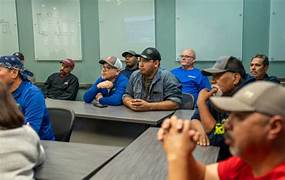
and sharing information is the first step. By mobilizing support for our issues, we can ensure our voices resonate powerfully enough to be heard. For instance, organizing local workshops or informational sessions can help raise awareness about crucial issues that directly affect us all, allowing us to build a stronger, informed community.
Advocating for Change
Advocacy is key. Town hall meetings, local activism, and coalitions that amplify our voices are essential.

For example, grassroots movements can mobilize hundreds of thousands of participants nationwide, demonstrating how collective action can bring about meaningful change. When people unite to express their opinions and demand action, change shifts from a distant hope to an achievable reality.
Empowering Ourselves
We should also embrace technology to communicate our needs effectively. Participating in online forums, signing petitions, and using social media can amplify our reach and impact.
By sharing our stories and illustrating how political decisions affect our lives, we can build connections with those who share our values. Take the initiative to create online campaigns that draw attention to pressing issues in your community. When each story counts, our collective voice becomes much stronger.
Taking Back Control
Determining what is best for you and your family is a conversation that must happen at all levels.

The voices of the people should always hold more weight than those of unelected officials. As we stand at this critical point, it’s time to reclaim our governance.
Let us unite in demanding that our representatives listen to their constituents, ensuring our voices are not just heard but prioritized in decision-making processes.
Reclaiming our voices isn't just a political act; it is our civic duty. Together, we can reshape our future, creating a governance that genuinely reflects the will of the people. Let’s move forward, united in purpose and determination!

Visit americaninsanity.org for additional information.


Comments